
7 Mistakes You’re Making with Commercial Refinance Loans (and How to Fix Them Before Your Loan Matures)

Commercial real estate refinancing represents a critical juncture in the lifecycle of an investment. It is the process of replacing an existing debt obligation with a new loan, typically under different terms, to achieve specific financial objectives such as lowering interest rates, extending maturity dates, or extracting equity. In the current 2026 economic landscape, the complexity of these transactions has increased, making precision in execution more vital than ever.
As a certified national private money broker, FBS Commercial Capital facilitates the connection between sophisticated investors and a vast network of capital providers. Navigating the transition from a maturing loan to a stabilized long-term solution requires a technical understanding of lender expectations and market volatility. Below are seven prevalent mistakes encountered in the commercial refinancing process and the technical corrective actions required to mitigate risk.
1. Delaying the Refinance Process Until Near-Maturity
The most frequent error in commercial financing is initiating the application process too close to the balloon payment or maturity date. Commercial loans are not processed with the speed of residential mortgages; they require extensive underwriting, third-party reports, and committee approvals.
Review maturity timelines early.
Lenders typically require a minimum of 90 to 120 days to close a standard commercial refinance loan. However, in environments with high application volumes or increased regulatory scrutiny, this window can expand significantly. Waiting until 30 or 60 days before maturity leaves the borrower with zero leverage and no contingency plan if the primary lender declines the file.
Fix: Implement a Six-Month Lead Time.
Begin the evaluation process at least six months prior to the maturity date. This duration allows for the procurement of updated appraisals, Phase I Environmental Site Assessments, and property condition reports. If initial terms are unfavorable, a six-month buffer provides the necessary time to pivot toward alternative solutions, such as a commercial bridge loan, to prevent a technical default at maturity.

2. Failing to Calculate the Total Cost of Prepayment Penalties
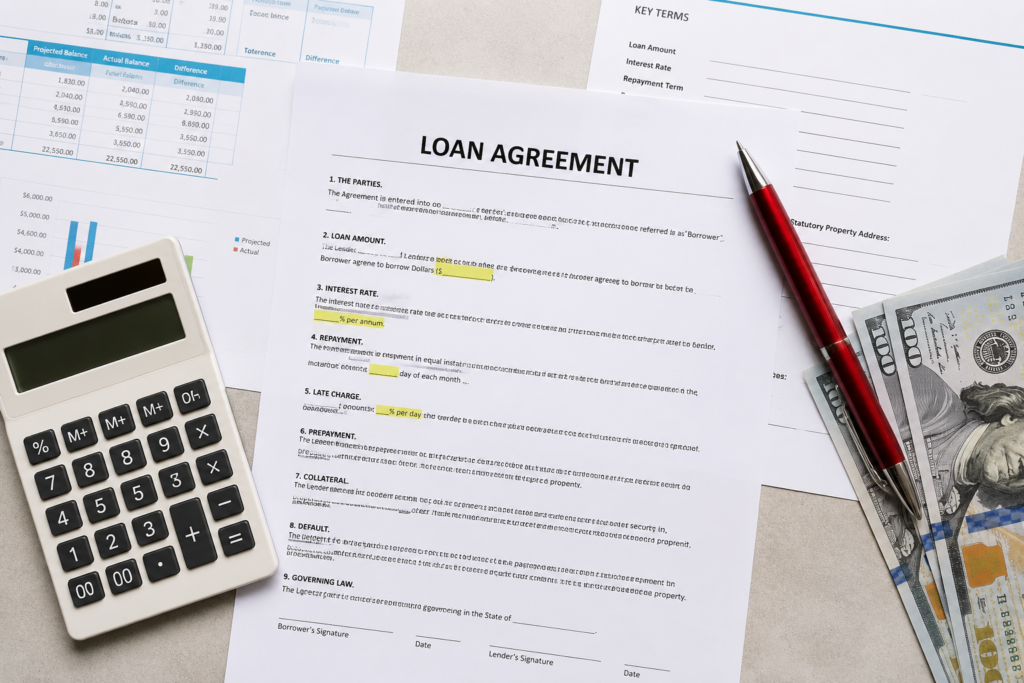
Many investors focus exclusively on the coupon rate of the new loan while neglecting the exit costs of the existing debt. Commercial notes often contain complex prepayment structures, such as yield maintenance or defeasance, which can be prohibitively expensive if triggered at the wrong time.
Analyze existing loan documents.
Yield maintenance is designed to make the lender “whole” by ensuring they receive the same yield as if the loan had been held to maturity. In a declining interest rate environment, these penalties can escalate to six or seven figures. Defeasance involve replacing the real estate collateral with a portfolio of government securities, which also incurs significant legal and administrative costs.
Fix: Conduct a Comprehensive Break-Even Analysis.
Before pursuing a commercial refinance loan, request an official payoff quote including all penalties. Calculate the monthly interest savings of the new debt against the total cost of the prepayment penalty plus new closing costs (origination fees, appraisal, legal). If the “break-even” period exceeds the intended hold period of the asset, refinancing is mathematically illogical.
3. Neglecting Debt Service Coverage Ratio (DSCR) Requirements
Lenders prioritize the ability of the asset’s cash flow to cover debt obligations. A common mistake is assuming that a high property valuation automatically guarantees loan approval. In 2026, lenders have tightened DSCR requirements to account for rising operating expenses and potential vacancy fluctuations.
Monitor net operating income (NOI).
A property that qualified for a loan three years ago may no longer meet the threshold if insurance premiums, property taxes, or utility costs have eroded the NOI. Most institutional and private lenders require a minimum DSCR of 1.25x, though many now prefer a “cushion” closer to 1.35x or 1.50x for specialized property types like office or hospitality.
Fix: Optimize Financial Statements Prior to Application.
Review the trailing 12-month (T-12) operating statements. Identify non-recurring capital expenditures that can be “added back” to the NOI to present a more accurate picture of recurring cash flow. If the DSCR remains tight, consider a partial pay-down of the principal to bring the debt service within the lender’s required parameters.

4. Mismanaging “Cash Out” Expectations for Growth
A cash out refinance on commercial property is a powerful tool for scaling a portfolio, but many borrowers fail to provide a structured plan for the proceeds. Lenders are increasingly cautious about “unrestricted” cash-out requests, preferring to see the capital deployed into property improvements (CapEx) or the acquisition of additional income-producing assets.
Define the use of proceeds.
Requesting $1,000,000 in cash-out without a clear business plan can lead to lower Loan-to-Value (LTV) offers or higher interest rates due to perceived risk. Lenders view substantial cash-out as a potential “exit” by the borrower, which may signal a lack of confidence in the asset’s future performance.
Fix: Present a Detailed Capital Allocation Plan.
When applying for equity extraction, include a secondary document outlining exactly how the funds will be utilized. If the intent is to renovate the subject property, provide a budget and timeline. If the intent is to acquire new property, show a pipeline of potential deals. This transparency reduces the lender’s risk profile and justifies higher leverage.

5. Overlooking the Utility of Commercial Bridge Loans
Borrowers often attempt to force a permanent, long-term loan onto a property that is not yet ready for stabilization. If a property has high vacancy or is undergoing a major tenant turnover, it will not qualify for the best bank rates. Forcing a permanent refinance in these conditions results in sub-optimal terms and high interest rates.
Identify the property’s lifecycle stage.
A stabilized asset deserves a 10-year term. An asset in transition requires flexibility. Choosing the wrong loan product can trap an investor in a high-rate environment with a massive prepayment penalty just as the property’s value peaks.
Fix: Utilize Bridge Financing for Stabilization.
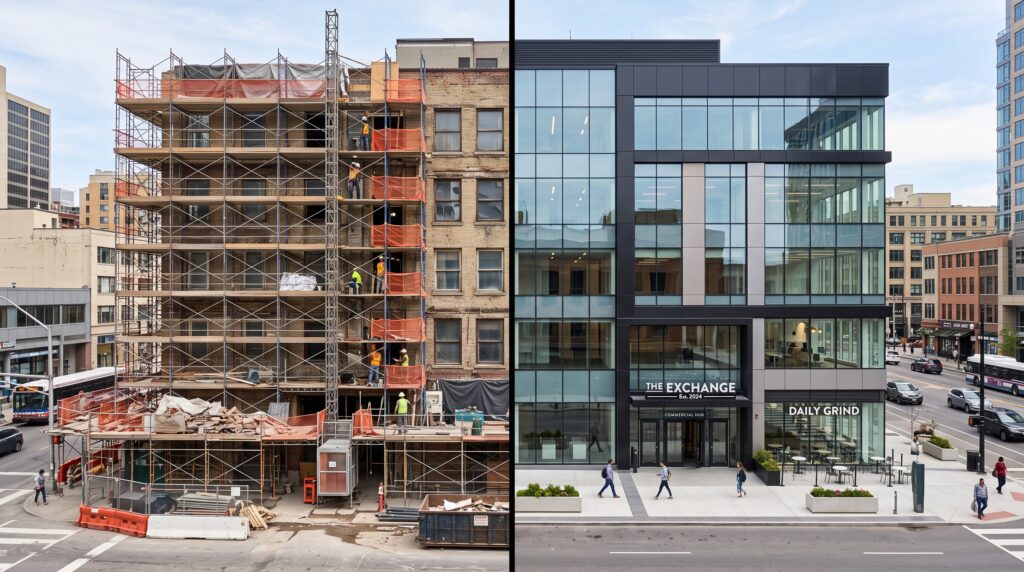
In scenarios where the property requires “rehab” or “lease-up,” a commercial bridge loan serves as an effective short-term solution. These loans typically offer interest-only payments and no significant prepayment penalties, allowing the borrower to stabilize the asset and refinance into a low-rate permanent loan 12 to 24 months later at a much higher valuation.
6. Treating Commercial Debt as a Transactional Commodity
A significant error made by real estate investors is treating commercial lending as a “one-and-done” transaction focused solely on the interest rate. In commercial finance, the “soft” terms: covenants, reporting requirements, and the lender’s reputation for flexibility: are often more important than the nominal rate.
Evaluate loan covenants.
Restrictive covenants, such as maintaining a specific liquidity level or a maximum debt-to-equity ratio, can hamper a business owner’s ability to operate. Failing to understand these “fine print” items can lead to a technical default even if all mortgage payments are made on time.
Fix: Negotiate Flexibility and Relationship Terms.
Focus on the total loan package. This includes negotiating for “carve-outs” in the personal guarantee or ensuring the loan is assumable if the property is sold. Working with an expert broker helps in identifying lenders whose institutional culture aligns with the borrower’s long-term strategy, rather than just the lowest headline rate.

7. Attempting to Navigate the Market Without a Certified Broker
Many investors mistakenly believe that going “direct” to a local bank will result in the lowest possible fees. However, the commercial lending market is fragmented. A local bank may have reached its concentration limit for a specific property type (e.g., “no more retail loans this quarter”), resulting in an automatic decline or an artificially high rate to discourage the application.
Recognize market fragmentation.
There are thousands of capital sources, including life insurance companies, CMBS conduits, private equity funds, and credit unions. Most of these do not market directly to the public and work exclusively through established brokerage channels.
Fix: Leverage the Expertise of a Certified National Private Money Broker.
FBS Commercial Capital acts as the intermediary to bridge the gap between the borrower and the ideal capital source. By outsourcing the capital search to a broker, the borrower gains access to a broader spectrum of commercial loan options. A broker packages the deal to meet institutional standards, anticipates underwriter questions, and creates a competitive environment among lenders to drive down the cost of capital.

Conclusion

Refinancing a commercial asset is a strategic maneuver that requires a proactive approach, a rigorous understanding of the property’s financials, and a clear alignment of loan terms with the exit strategy. By avoiding these seven common mistakes: particularly the delay in starting the process and the neglect of technical covenants: investors can secure the capital necessary to preserve and grow their portfolios in any market condition.
FBS Commercial Capital remains dedicated to structuring sophisticated financing solutions for real estate investors across the United States, providing the expertise required to navigate the complexities of the commercial capital markets.
Virginia |


